If you’re investing time and resources into SEO, one question matters more than almost any other: Are your rankings improving?
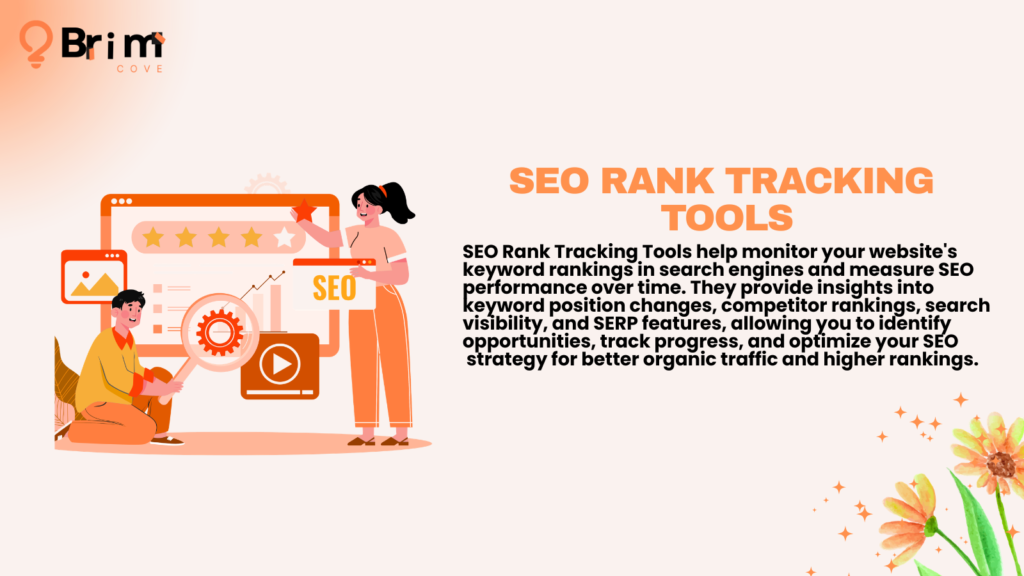
SEO rank tracking tools help answer that question by monitoring keyword positions, measuring visibility, analyzing competitors, and showing how search performance changes over time. Whether you manage a personal blog, an e-commerce website, or multiple client campaigns, accurate rank tracking helps you make informed decisions instead of relying on guesswork.
Modern SEO has also become more complex. Search results now include featured snippets, local packs, images, videos, shopping results, and AI-generated features such as Google’s AI Overviews. As search continues to evolve, some platforms are expanding beyond traditional keyword rankings to monitor visibility across AI-powered search experiences.
However, choosing the right rank tracking tool can be challenging. Some platforms offer complete SEO suites, while others focus specifically on accurate keyword tracking, local SEO, competitor analysis, or agency reporting.
In this guide, we’ll compare the leading SEO rank tracking tools and explain the features that matter most, including:
- Keyword tracking accuracy
- Daily and on-demand updates
- Desktop and mobile rankings
- Local and international tracking
- Competitor monitoring
- SERP feature tracking
- Reporting and automation
- AI visibility monitoring
- Pricing and overall value
By the end, you’ll understand which SEO rank tracking tool may be the best fit for your goals, budget, team, and SEO workflow.
Table of Contents
How We Evaluated These SEO Rank Tracking Tools
Not every rank tracker is designed for the same type of user. A freelancer tracking 50 keywords has different needs from an enterprise company monitoring thousands of keywords across multiple countries.
We evaluated these tools based on the features that have the greatest impact on everyday SEO work.
Accuracy: Reliable ranking data is the foundation of any rank tracking platform. Rankings can vary depending on location, device, personalization, and search conditions, so minor differences are normal. However, a dependable tool should provide consistent data and reliable historical trends.
Update frequency: Daily tracking is important for active SEO campaigns, competitive industries, and e-commerce websites. Some platforms also offer on-demand updates, allowing users to check rankings whenever needed.
Location tracking: Search results can vary significantly by country, city, ZIP code, and other geographic factors. Local businesses need tools that can accurately monitor location-specific rankings and Google Maps visibility.
Desktop and mobile tracking: Rankings often differ between devices. Since Google uses mobile-first indexing, the ability to monitor both desktop and mobile performance is essential.
Competitor monitoring: The best tools don’t only track your website. They also show how competitors rank, which keywords they gain or lose, and where opportunities exist.
Reporting: Agencies and marketing teams often need scheduled reports, custom dashboards, white-label branding, and export options.
Ease of use: A platform can have impressive features but still be difficult to use. An intuitive interface helps users spend more time analyzing SEO data and less time learning the software.
AI visibility: AI-powered search is changing how users discover information. Some modern platforms now track visibility in AI-generated results and citations, although these features are still developing.
Quick Comparison of the Best SEO Rank Tracking Tools
| Tool | Best For | Daily Tracking | AI Visibility |
| Semrush | All-in-one SEO | Yes | Emerging |
| Ahrefs | SEO professionals | Yes | Limited |
| AccuRanker | Dedicated rank tracking | Yes | Emerging |
| SE Ranking | Small businesses and agencies | Yes | Limited |
| Wincher | Affordable tracking | Yes | No |
| SERPWatcher | Beginners | Yes | No |
| Nightwatch | Local and enterprise tracking | Yes | Emerging |
| Rank Tracker | Desktop SEO software | Yes | No |
| Rank Ranger | Agency reporting | Yes | Limited |
| ProRankTracker | Multi-platform tracking | Yes | No |
| Mangools | Beginners | Yes | No |
| Search Atlas | AI-powered SEO | Yes | Yes |
| Respona | Outreach-focused teams | Limited | Emerging |
| Senuto | European SEO campaigns | Yes | No |
| RanksPro | Budget-conscious users | Yes | Limited |
Pricing and features can change over time, so always check the provider’s current plans before making a purchasing decision.
15 Best SEO Rank Tracking Tools
Semrush
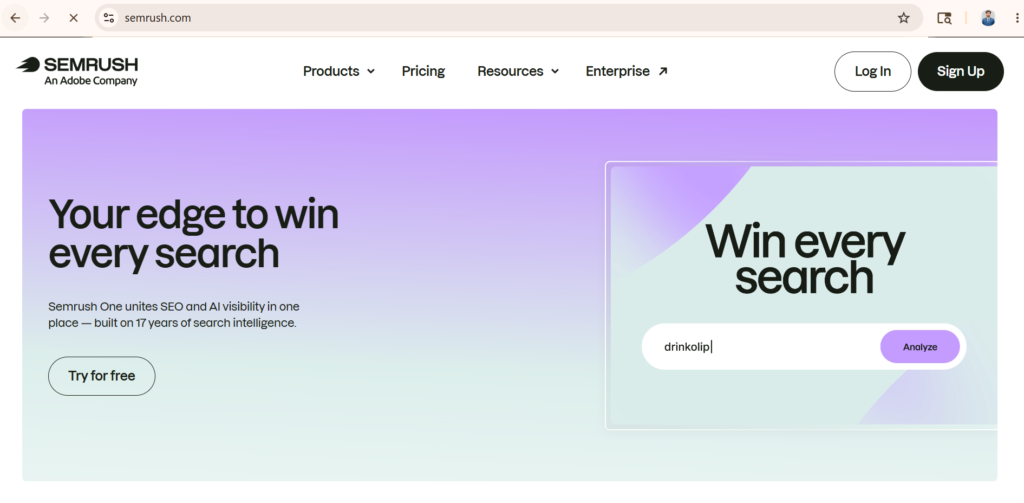
Semrush is one of the most comprehensive SEO platforms available. Its Position Tracking tool allows users to monitor keyword rankings across locations, devices, competitors, and SERP features.
Key features: Daily tracking, local SEO monitoring, desktop and mobile rankings, competitor analysis, SERP feature tracking, Share of Voice reporting, custom dashboards, and emerging AI visibility features.
Pros: Comprehensive SEO toolkit, strong competitor research, detailed reporting, and excellent agency features.
Cons: Premium pricing and a learning curve for beginners.
Best for: SEO agencies, marketing teams, and medium to large businesses.
Verdict: Semrush is one of the best choices if you want rank tracking combined with keyword research, backlink analysis, technical SEO, and competitor intelligence.
Ahrefs
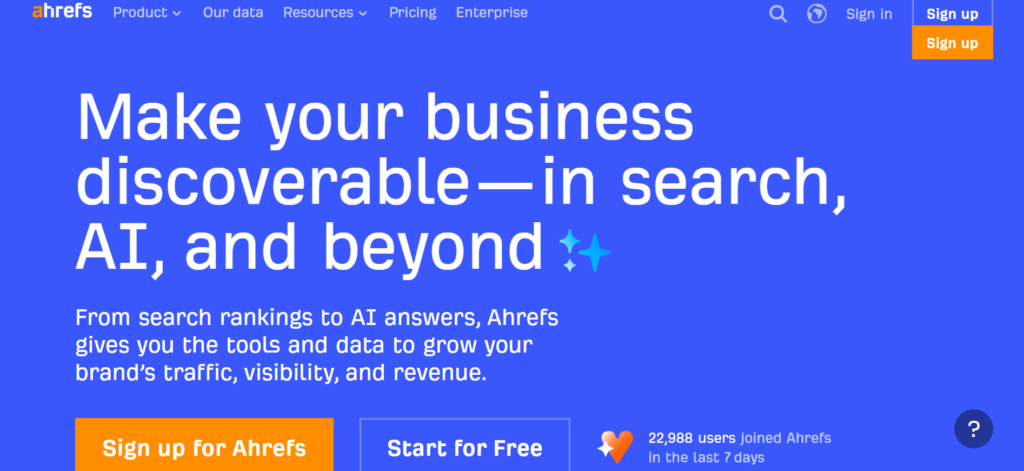
Ahrefs is widely known for its backlink database, but its Rank Tracker is also a powerful solution for monitoring keyword performance.
Key features: Daily ranking updates, mobile and desktop tracking, historical data, competitor tracking, SERP features, keyword difficulty analysis, and traffic estimates.
Pros: Highly respected data, excellent backlink analysis, strong keyword research, and a clean interface.
Cons: Higher pricing and fewer features on lower-tier plans.
Best for: SEO professionals, agencies, and content marketers.
Verdict: Ahrefs is a strong option for users who want reliable rank tracking alongside advanced backlink and keyword research capabilities.
AccuRanker
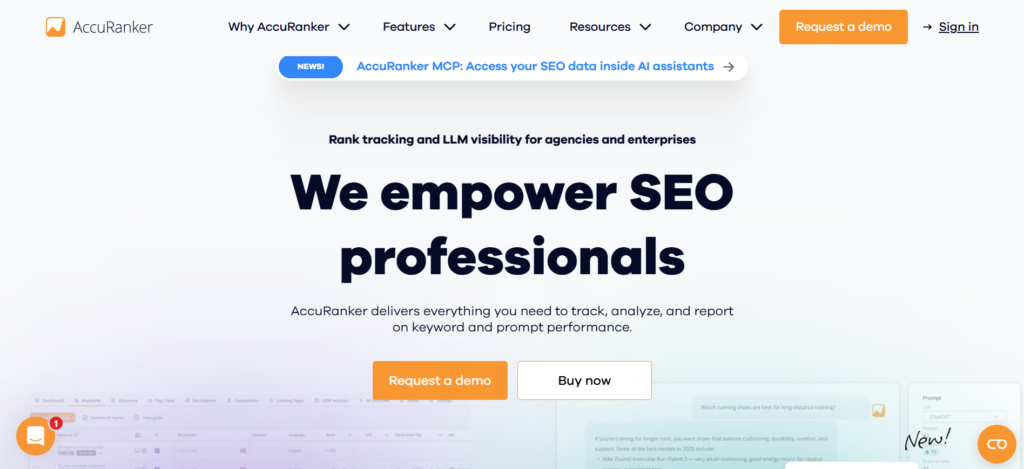
AccuRanker focuses primarily on keyword rank tracking rather than trying to be an all-in-one SEO platform. This specialized approach makes it particularly popular among agencies and large SEO teams.
Key features: On-demand updates, daily tracking, local monitoring, mobile and desktop rankings, competitor comparisons, reporting integrations, and expanding AI search monitoring.
Pros: Excellent accuracy, fast updates, strong reporting, and a simple interface.
Cons: Fewer broader SEO features than platforms such as Semrush or Ahrefs.
Best for: Agencies, enterprise SEO teams, and businesses tracking large keyword sets.
Verdict: If accurate and frequently updated ranking data is your top priority, AccuRanker is one of the strongest dedicated rank tracking platforms.
SE Ranking
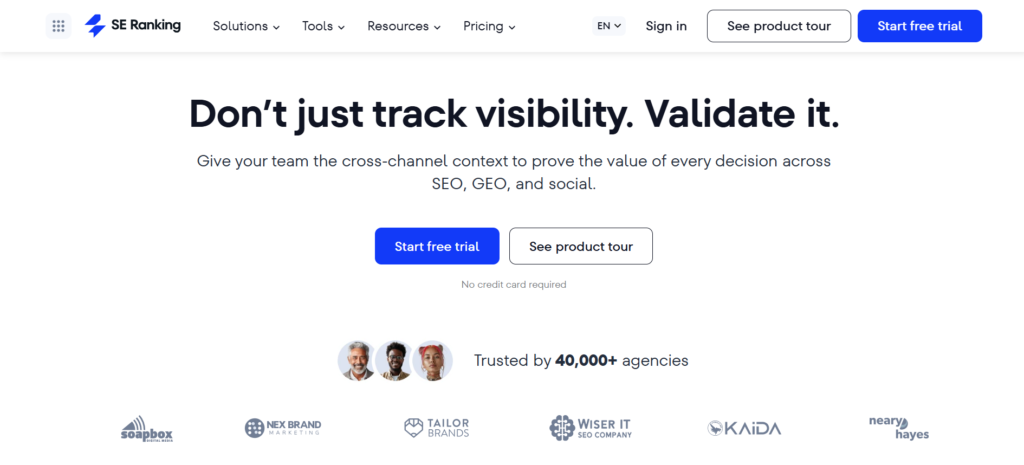
SE Ranking combines keyword tracking with website audits, competitor analysis, backlink monitoring, and reporting tools.
Key features: Daily tracking, local SEO monitoring, competitor research, historical data, website audits, and white-label reports.
Pros: Affordable pricing, beginner-friendly interface, useful agency features, and strong overall value.
Cons: Some advanced features may require higher-tier plans.
Best for: Small businesses, freelancers, and growing agencies.
Verdict: SE Ranking offers a strong balance of features and affordability for users who need more than basic rank tracking without paying enterprise-level prices.
Wincher
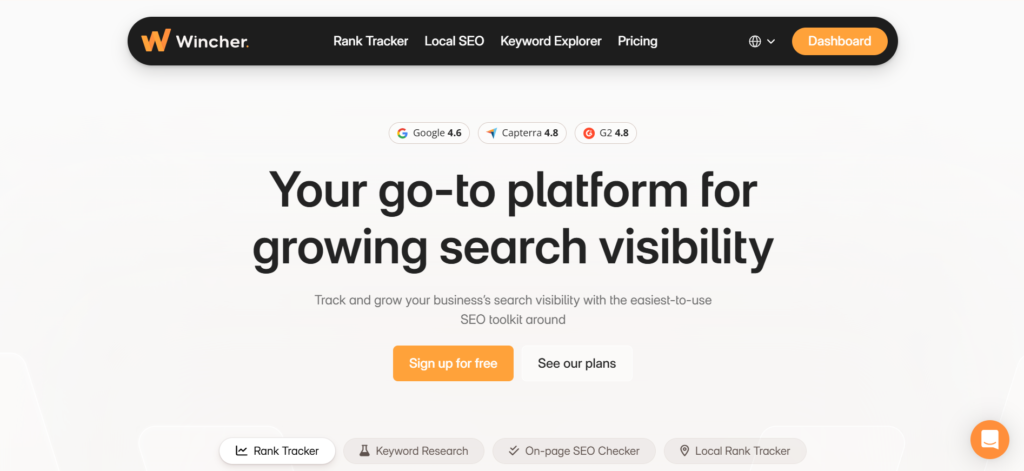
Wincher is designed for users who want straightforward keyword position tracking without the complexity of a large SEO suite.
Key features: Daily tracking, keyword grouping, competitor monitoring, local tracking, ranking history, and automated reports.
Pros: Simple interface, easy setup, affordable pricing, and useful reporting.
Cons: Fewer advanced SEO features than larger platforms.
Best for: Bloggers, freelancers, and small businesses.
Verdict: Wincher is a practical choice for users who want simple, reliable keyword tracking.
SERPWatcher by Mangools
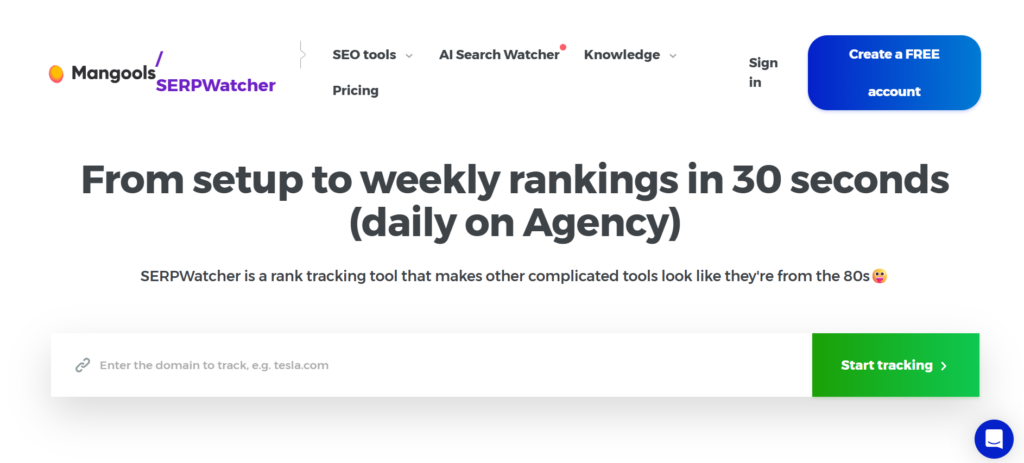
SERPWatcher is Mangools’ dedicated rank tracking tool. It focuses on presenting ranking data in a simple and accessible format.
Key features: Daily updates, mobile and desktop tracking, keyword organization, historical data, performance metrics, and simple reports.
Pros: Beginner-friendly, attractive interface, easy to understand, and good value.
Cons: Limited enterprise functionality and advanced reporting.
Best for: Beginners, bloggers, and small SEO teams.
Verdict: SERPWatcher is a good option for users who want useful rank tracking without a complicated dashboard.
Nightwatch
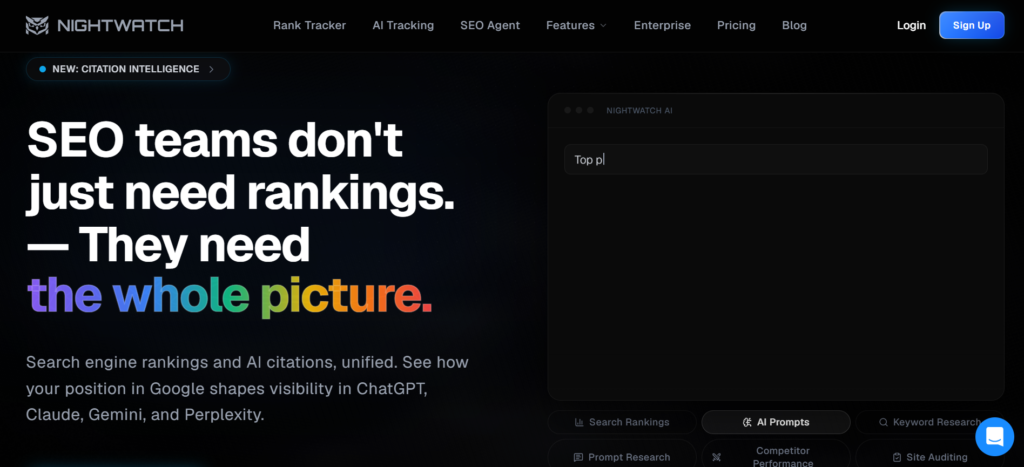
Nightwatch is built for businesses and agencies that need detailed tracking across multiple locations, devices, and search engines.
Key features: Local SEO tracking, daily rankings, competitor monitoring, SERP feature tracking, custom dashboards, white-label reports, and API access.
Pros: Excellent local tracking, flexible reporting, strong visualization, and support for large keyword sets.
Cons: More expensive than beginner-focused tools and may require additional setup.
Best for: Agencies, enterprise businesses, and large marketing teams.
Verdict: Nightwatch is particularly useful for organizations that need customizable local tracking and advanced reporting.
Rank Tracker by SEO PowerSuite
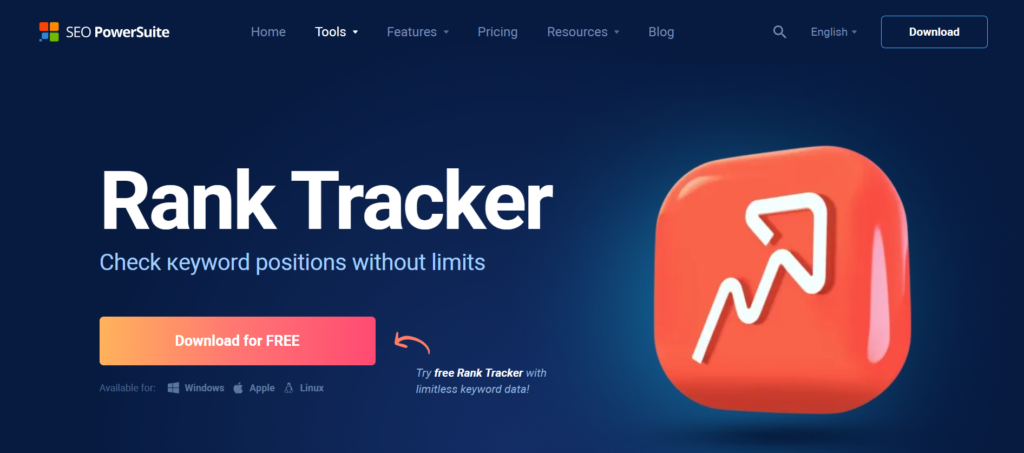
Rank Tracker differs from many modern platforms because it operates as desktop software. It supports extensive keyword tracking and can be useful for users who prefer a desktop-based solution.
Key features: Keyword tracking, local and mobile rankings, competitor analysis, scheduled reports, historical data, and keyword grouping.
Pros: Large-scale keyword tracking, strong reporting, and flexible licensing options.
Cons: Requires desktop installation and has a less modern interface than some cloud-based tools.
Best for: SEO consultants, freelancers, and businesses managing large keyword lists.
Verdict: Rank Tracker is worth considering if you prefer desktop software and need extensive keyword tracking capabilities.
Rank Ranger
Rank Ranger is primarily designed for agencies and enterprise SEO teams that need detailed reporting and customizable dashboards.
Key features: Daily rank tracking, competitor monitoring, local tracking, white-label dashboards, marketing reports, historical data, and API integrations.
Pros: Powerful reporting, agency-focused features, customization, and automation.
Cons: Can be complex for beginners and generally targets professional users.
Best for: Digital marketing agencies and enterprise SEO teams.
Verdict: Rank Ranger is a strong choice for agencies that need detailed, branded reporting alongside rank tracking.
ProRankTracker
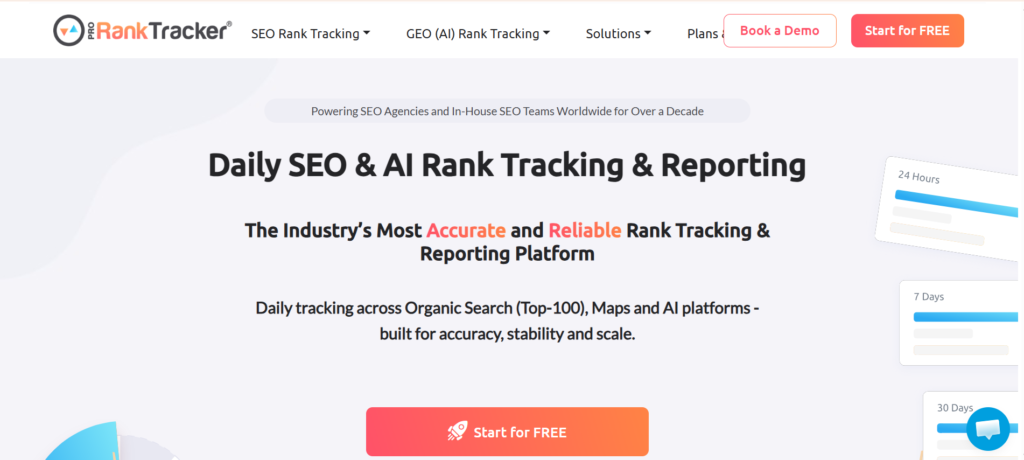
ProRankTracker specializes in monitoring keyword positions across different search engines, locations, and devices.
Key features: Daily updates, local tracking, mobile and desktop monitoring, competitor tracking, white-label reports, historical graphs, and API access.
Pros: Reliable tracking, international support, strong reporting, and easy navigation.
Cons: Limited broader SEO features and a less modern interface than some competitors.
Best for: Agencies, SEO professionals, and businesses with international campaigns.
Verdict: ProRankTracker is a dependable option for users who want dedicated keyword tracking without investing in a full SEO suite.
Mangools
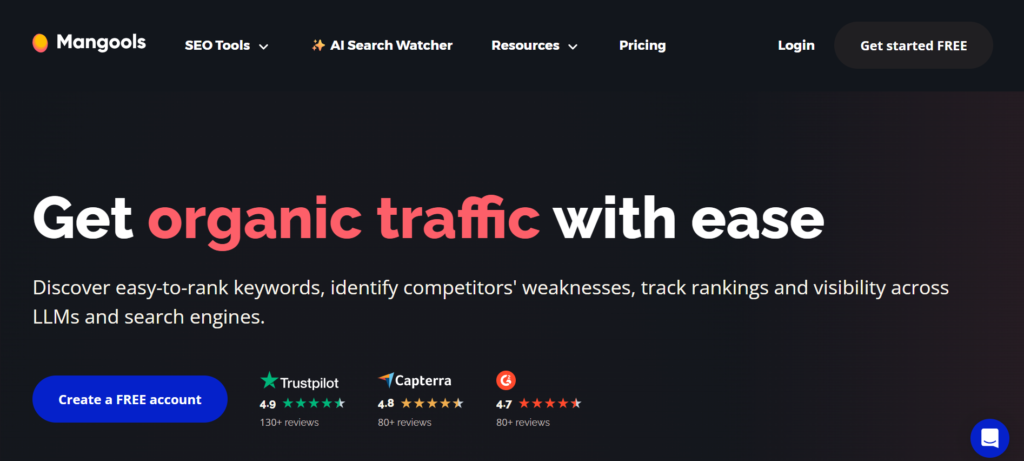
Mangools combines several SEO tools, including KWFinder, SERPWatcher, SERPChecker, LinkMiner, and SiteProfiler.
Key features: Keyword research, rank tracking, SERP analysis, backlink monitoring, and competitor research.
Pros: Easy to learn, affordable, attractive interface, and excellent for beginners.
Cons: Fewer enterprise features and limited advanced reporting.
Best for: Beginners, bloggers, freelancers, and small businesses.
Verdict: Mangools is one of the easiest SEO platforms for beginners while still providing useful keyword tracking and research tools.
Search Atlas
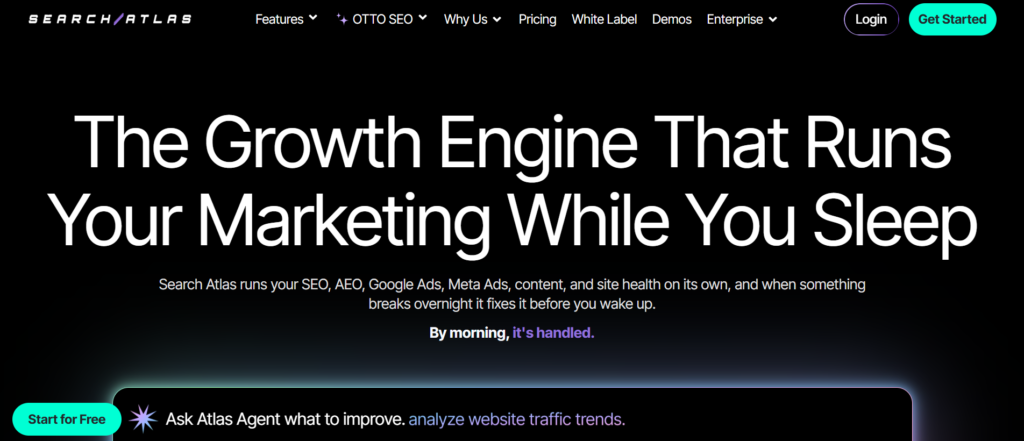
Search Atlas combines traditional SEO tracking with AI-powered optimization and visibility features.
Key features: Daily keyword tracking, AI visibility monitoring, content optimization, competitor analysis, technical audits, automated reporting, and keyword clustering.
Pros: Modern AI features, automation, and a broad SEO toolkit.
Cons: Newer than many established platforms and some advanced features may require premium plans.
Best for: Agencies, content teams, and businesses interested in AI-driven SEO.
Verdict: Search Atlas is a strong option for organizations that want to monitor traditional rankings while exploring AI search visibility.
Respona
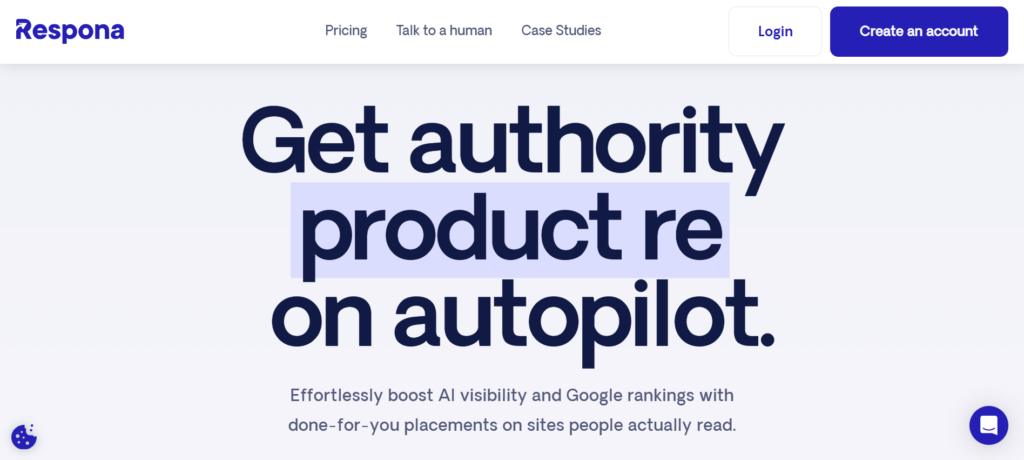
Respona is primarily an outreach and digital PR platform rather than a dedicated rank tracker. However, it can be useful for teams that combine link building, content marketing, and SEO campaigns.
Key features: Outreach management, contact discovery, email automation, link-building workflows, keyword monitoring, collaboration, and reporting.
Pros: Strong outreach automation and useful tools for link-building campaigns.
Cons: Its rank tracking capabilities are not as comprehensive as dedicated platforms.
Best for: Link-building agencies, digital PR teams, and content marketing professionals.
Verdict: Respona is best suited to outreach-focused teams that want SEO monitoring as part of a broader link acquisition workflow.
Senuto
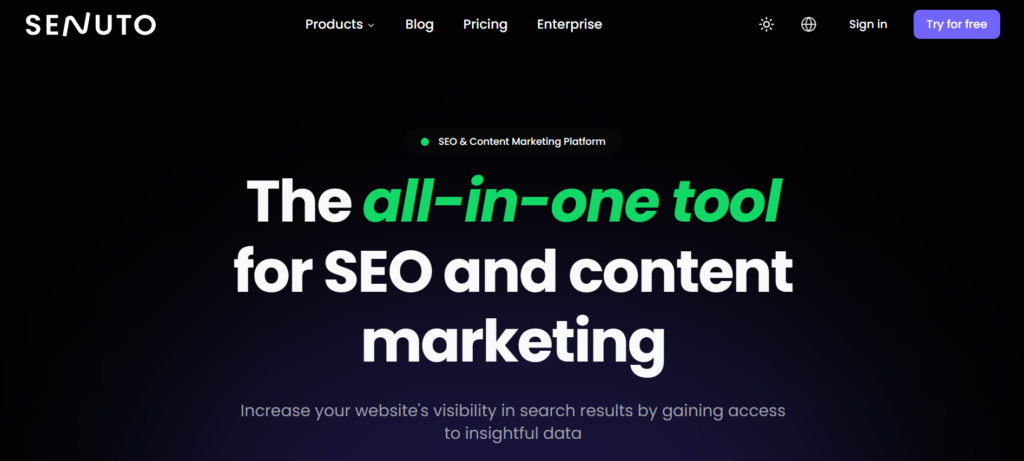
Senuto is particularly popular among businesses and SEO professionals targeting European search markets. It combines keyword tracking with visibility analysis, content planning, and competitor research.
Key features: Daily keyword tracking, visibility reports, keyword research, competitor monitoring, content planning, and historical data.
Pros: Strong visibility analysis, useful reporting, and an easy-to-use interface.
Cons: Its strongest value is concentrated in supported regional markets.
Best for: European businesses, agencies, and content marketers.
Verdict: Senuto is a solid choice for businesses targeting European audiences and seeking an all-in-one SEO platform.
RanksPro
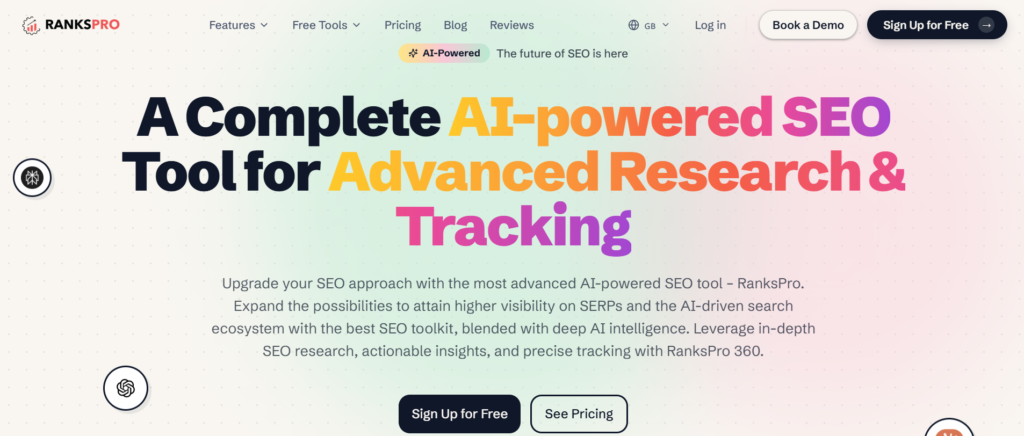
RanksPro is designed for users who need essential keyword monitoring without the complexity or cost of larger enterprise platforms.
Key features: Daily tracking, competitor monitoring, local SEO tracking, ranking history, keyword grouping, and reporting.
Pros: Budget-friendly, simple setup, easy dashboard, and essential tracking features.
Cons: Limited advanced SEO functionality.
Best for: Freelancers, bloggers, small businesses, and budget-conscious users.
Verdict: RanksPro is a practical choice for users who need dependable keyword tracking at an affordable price.
Best SEO Rank Tracking Tools by Use Case
The best tool depends on your goals rather than the number of features included in a platform.
| Use Case | Recommended Tool |
| Best overall SEO platform | Semrush |
| Best for SEO professionals | Ahrefs |
| Best dedicated rank tracker | AccuRanker |
| Best for beginners | Mangools or SERPWatcher |
| Best for agencies | Semrush or Rank Ranger |
| Best for local SEO | Nightwatch |
| Best value for small businesses | SE Ranking |
| Best budget option | RanksPro |
| Best for AI visibility | Search Atlas |
| Best for European SEO | Senuto |
Features to Look for in an SEO Rank Tracking Tool
Before choosing a platform, focus on the features that directly support your SEO workflow.
Daily and on-demand updates: Daily tracking helps you monitor changes, while on-demand updates are useful after publishing new content or making important website changes.
Mobile and desktop tracking: Rankings vary between devices, so monitoring both provides a more complete view of organic visibility.
Local rank tracking: Businesses serving specific cities or regions should look for city-level, ZIP code, and local map tracking.
Competitor monitoring: Competitor data can reveal new ranking opportunities, content gaps, and changes in market visibility.
SERP feature tracking: A modern rank tracker should ideally monitor features such as featured snippets, People Also Ask, local packs, shopping results, video results, and other enhanced search features.
AI visibility tracking: Some platforms now monitor brand mentions and citations in AI-powered search experiences. This area is still developing, but it may become increasingly important.
Historical data: Long-term ranking history helps you measure the impact of content updates, algorithm changes, and SEO campaigns.
White-label reporting: Agencies should consider tools that offer branded dashboards, scheduled reports, and customizable exports.
API access: Larger organizations may need API access to connect ranking data with internal dashboards and reporting systems.
Alerts: Ranking alerts can notify you about major drops, new rankings, lost SERP features, or competitor gains.
SEO Rank Tracking Tools vs. Google Search Console
Google Search Console is an essential free tool, but it is not a complete replacement for dedicated rank tracking software.
| Feature | Rank Tracking Tools | Google Search Console |
| Keyword performance | Yes | Yes |
| Competitor tracking | Yes | No |
| Local tracking | Advanced | Limited |
| Historical data | Extensive | Limited |
| White-label reporting | Available | No |
| SERP feature tracking | Often available | Limited |
| AI visibility tracking | Available in some tools | No |
| Technical SEO insights | Varies | Yes |
Google Search Console is ideal for: Monitoring clicks, impressions, average positions, indexing, technical issues, and search performance at no cost.
Dedicated rank trackers are better for: Tracking large keyword lists, monitoring competitors, analyzing local rankings, creating client reports, and measuring ranking trends over time.
For many businesses, the best approach is to use both. Search Console provides first-party performance data, while rank tracking tools offer deeper monitoring and competitive insights.
How to Track Keyword Rankings Effectively
A rank tracker is only useful if you analyze the data properly.
1. Build a focused keyword list. Track keywords that relate directly to your products, services, content, and business goals. Include primary, long-tail, branded, local, commercial, and informational terms where relevant.
2. Group keywords by search intent. Organizing keywords into informational, commercial, transactional, and navigational categories makes it easier to understand which parts of the customer journey are performing well.
3. Track mobile and desktop rankings. Comparing devices can reveal mobile optimization issues and device-specific ranking trends.
4. Monitor competitors. Look at keywords competitors are gaining, pages that are outperforming yours, and SERP features they own.
5. Analyze trends instead of isolated changes. Daily fluctuations are normal. Weekly and monthly trends provide more useful insights than reacting to every small ranking movement.
6. Improve pages ranking between positions 8 and 20. These pages often have strong potential to reach the first page. Consider updating outdated content, improving internal links, adding useful sections, refreshing data, and strengthening relevant backlinks.
7. Report results regularly. Monthly reporting should connect rankings with organic traffic, conversions, leads, and revenue wherever possible.
Common Rank Tracking Mistakes
Tracking too many irrelevant keywords: Monitoring thousands of keywords that do not support your business goals creates unnecessary noise.
Focusing only on rankings: A high position is valuable, but SEO success should also be measured through traffic, CTR, leads, conversions, and revenue.
Ignoring search intent: A ranking may look impressive but still bring little value if the keyword attracts the wrong audience.
Not monitoring competitors: Competitor data can reveal new content opportunities and ranking gaps.
Ignoring local performance: National rankings may not accurately reflect visibility for businesses that serve specific locations.
Overreacting to daily fluctuations: Rankings naturally change because of algorithm updates, competitors, location, devices, and other factors. Analyze longer-term trends before making major strategic changes.
AI Visibility and the Future of Rank Tracking
SEO is expanding beyond traditional blue-link rankings. AI-generated answers are changing how users search for information, compare products, and discover businesses.
AI Overviews: Google’s AI-generated summaries can provide answers directly within search results. A website may gain visibility by being cited in an AI Overview, even if it does not hold the traditional number-one ranking.
AI assistant visibility: Businesses are increasingly interested in whether AI systems mention their brand, reference their content, or recommend competitors instead.
AI search citations: Platforms such as Perplexity and other AI-powered search experiences may cite external sources in their answers. Monitoring these citations can help businesses understand which content earns AI visibility.
Generative Engine Optimization (GEO): GEO focuses on improving visibility across AI-powered search experiences. Helpful practices include publishing original research, demonstrating expertise, maintaining factual accuracy, and structuring content clearly.
Answer Engine Optimization (AEO): AEO focuses on providing direct, structured answers that can be used by search engines, AI systems, featured snippets, and voice assistants.
Traditional rankings remain important, but businesses increasingly need a broader view of search visibility that includes both organic positions and AI-generated results.
SEO Metrics to Monitor Alongside Rankings
Keyword positions alone do not tell the complete story.
| Metric | Why It Matters |
| Organic traffic | Shows how many users arrive from search engines |
| CTR | Measures how often users click your result |
| Impressions | Shows how frequently your pages appear |
| Conversions | Measures leads, purchases, or other goals |
| Revenue | Connects SEO performance to business results |
| Share of Voice | Compares visibility with competitors |
| SERP features | Measures enhanced search visibility |
| Referring domains | Shows the number of unique websites linking to your content |
Combining these metrics with ranking data provides a more accurate picture of SEO performance.
Frequently Asked Questions
What is an SEO rank tracking tool?
An SEO rank tracking tool monitors where your website appears in search results for specific keywords. It helps track ranking changes, analyze competitors, measure SEO progress, and identify optimization opportunities.
What is the best SEO rank tracking tool?
The best tool depends on your needs. Semrush is a strong all-around choice, Ahrefs is popular with experienced SEO professionals, AccuRanker specializes in dedicated rank tracking, SE Ranking offers strong value, and Search Atlas is a notable option for AI visibility features.
Are SEO rank tracking tools accurate?
Reputable tools are generally accurate, although rankings may vary because of location, device, personalization, search history, and Google’s data systems. Small differences between a tool and a manual search are normal.
How often should I check keyword rankings?
Daily tracking can be useful for active campaigns, but you should avoid making strategic decisions based on one day’s movement. Monitor rankings regularly, analyze trends weekly, and review overall SEO performance monthly.
Is Google Search Console enough for SEO tracking?
Google Search Console is essential and free, but dedicated rank tracking tools provide additional features such as competitor tracking, local rankings, advanced historical data, SERP monitoring, and automated reporting. Many SEO professionals use both.
What is local rank tracking?
Local rank tracking measures how a website performs in specific locations, such as cities, ZIP codes, or regions. It is particularly important for restaurants, law firms, healthcare providers, real estate companies, and other location-based businesses.
How many keywords should I track?
There is no universal number. Track keywords that are relevant to your business goals, content, products, and services. A small website may need only a few dozen keywords, while a large organization may track thousands.
Do rank tracking tools monitor AI Overviews?
Some modern platforms have started introducing AI visibility features. These may monitor mentions, citations, and visibility across AI-powered search experiences. However, the technology is still developing and capabilities vary between tools.
Are free rank trackers reliable?
Free tools can be useful for beginners, but they often limit keyword volume, update frequency, historical data, competitor analysis, and reporting. As your SEO campaigns grow, a paid platform may provide more useful insights.
Conclusion
The best SEO rank tracking tool is not necessarily the one with the longest feature list or the highest price. The right choice depends on your goals, budget, keyword volume, team size, reporting requirements, and SEO strategy.
Best overall: Semrush for comprehensive SEO management and rank tracking.
Best for SEO professionals: Ahrefs for combining ranking data with powerful backlink and keyword research.
Best dedicated rank tracker: AccuRanker for accuracy, speed, and large-scale keyword monitoring.
Best for beginners: Mangools and SERPWatcher for simple interfaces and accessible SEO data.
Best for local SEO: Nightwatch for detailed location-based tracking.
Best value for small businesses: SE Ranking for its balance of features and affordability.
Best budget option: RanksPro for essential keyword tracking at a lower cost.
Best for AI visibility: Search Atlas for combining traditional rank tracking with emerging AI search monitoring.
Remember that rankings are only one part of SEO success. To understand the real impact of your SEO strategy, combine ranking data with organic traffic, click-through rates, conversions, revenue, and other business metrics.
As search continues to evolve, businesses will increasingly need to monitor more than traditional keyword positions. By tracking both conventional rankings and emerging AI visibility, you can gain a broader understanding of how your brand appears across the changing search landscape.
Whether you’re managing a single website or hundreds of client campaigns, the right SEO rank tracking tool can help you identify opportunities, measure progress, and make smarter optimization decisions.
