
Backlinks have always been one of the biggest factors in SEO, but the rules have changed. In 2026, it’s not about collecting as many links as possible anymore. It’s about getting the right ones — the ones that actually belong next to your content. These are called relevant backlinks, and they’re the secret behind sites that keep climbing the rankings year after year while others plateau or drop off.
If you’ve ever wondered why one website with fewer links outranks another with thousands, relevance is usually the answer. A relevant backlink tells Google and other search engines that your site fits naturally into a specific conversation. It’s like a recommendation from someone in the same industry instead of a random stranger.
In this guide, I’ll walk you through exactly what relevant backlinks are, why they matter more than ever, how search engines actually evaluate them, and — most importantly — how you can start building a natural, powerful link profile that grows your traffic and authority without risking penalties. Whether you’re just starting or running an established site, these strategies are designed to work in today’s algorithm.
Table of Contents
What Are Relevant Backlinks?
Relevant backlinks are hyperlinks from other websites that share the same topic, niche, or audience as your own site. The linking page and your page talk about similar things, solve similar problems, or serve the same type of reader.
For example, if you run a site about sustainable living, a backlink from a popular eco-friendly gardening blog is highly relevant. A link from a random car dealership blog, even if it has a high Domain Authority, is not.
The key difference from generic backlinks is context. Relevant ones feel organic — they’re placed because the content genuinely adds value to the reader, not because someone asked for a favor or paid for it.
Think of it like this: Google is trying to figure out what your site is really about. When authoritative sites in the same space link to you, they’re basically vouching for you. That signal is much stronger than a bunch of unrelated links.
Why Relevant Backlinks Matter for SEO
Here’s the thing most people still get wrong: quantity has never been the real game. Relevance has always been the bigger player, and in 2026, it’s even more dominant.
Search engines now use advanced natural language processing and topic modeling to understand context better than ever. They don’t just count links — they analyze whether the linking page and your page belong in the same “cluster” of information.
Relevant backlinks do three powerful things:
- They pass a stronger topical authority. A link from a site about fitness to your workout gear review carries far more weight than a link from a cooking blog.
- They improve your chances of ranking for competitive keywords. Sites with highly relevant link profiles consistently outperform those with scattered, low-relevance links.
- They bring real referral traffic. People who click through from a relevant site are already interested in your topic, so conversion rates are usually much higher.
How Search Engines Decide How Relevant Links Are
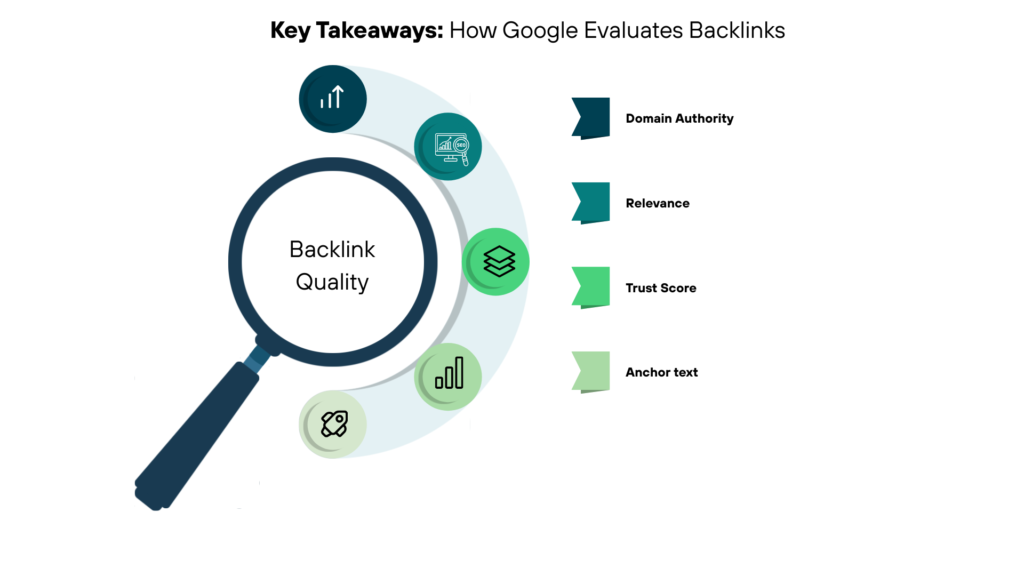
When deciding how much “trust” to send along from a link, search engines look at several signals:
- Topical alignment: Do the two pages talk about the same things?
- Content context: Is the link surrounded by text that logically leads to your page?
- Anchor text: Does it fit in with the rest of the sentence, or does it feel forced?
- Site-wide relevance: Is the connecting domain usually in the same field?
- Signals of user behavior: Do individuals who go to the connecting page really click through and stay on your site?
Google’s algorithms have gotten really adept at telling the difference between links that are coerced and links that are gained naturally, especially after the Helpful Content improvements and the core updates. That’s why random directory links and PBNs don’t help as much as they used to.
Types of Relevant Backlinks
Not all relevant backlinks are the same. Here are the main types worth pursuing:
Editorial links: These appear naturally in articles or roundups because your content is genuinely useful.
- Resource page links: From “best tools” or “further reading” pages in your niche.
- Guest post links: When you write a full article for another site in the same space.
- Niche directory or association links: From reputable industry directories or professional organizations
- PR & media mentions: From journalists writing about your industry.
- Comment links (when done right): Thoughtful contributions on relevant forums or blogs.
- Podcast & interview links: From show notes or transcripts.
The strongest ones are usually editorial and resource page links because they feel the most natural.
Proven Strategies to Earn Relevant Backlinks
The best way to get relevant backlinks is to create content so good that others want to link to it. But you can also be proactive.
Start by creating “linkable assets” — things like original research, ultimate guides, comparison charts, or free tools. Then reach out to sites that have already linked to similar content.
One strategy that works extremely well is the “skyscraper technique” done right: find popular content in your niche, make something significantly better, and then politely let the right people know about it.
Another approach is broken link building — finding dead links on relevant sites and offering your fresh content as a replacement. It’s helpful, respectful, and surprisingly effective.
Guest Posting for Authority Links
Guest posting is still one of the most reliable ways to earn relevant backlinks when done correctly.
The key is to pitch topics that the host site’s audience actually wants to read — not just something that promotes your product. Write a genuinely helpful piece, and the backlink in your bio (or even better, inline in the content) becomes natural.
Look for sites that accept guest posts in your exact niche. Check their recent articles to see what style and depth they prefer. Personalize every pitch. A good guest post campaign can deliver 5–15 high-quality, relevant backlinks per month if you’re consistent.
Outreach Strategies for Quality Backlinks
Outreach doesn’t have to feel spammy. The best outreach feels like a helpful suggestion between peers.
Here’s a simple process that works:
- Find sites that have linked to similar content before.
- Read their latest articles and leave a thoughtful comment.
- Send a short, personalized email mentioning something specific you liked about their recent post.
- Explain (without selling) how your resource could help their readers.
- Follow up once, politely, after 8–10 days.
Keep your emails under 120 words. Focus on the value you’re offering them, not what you want.
Link Diversity and Natural Link Profiles
A healthy link profile looks natural. That means a mix of:
- Different link types (editorial, resource, guest, etc.)
- Various anchor texts (branded, naked URL, partial match, exact match)
- Links from different domains and page types
- A steady, gradual growth pattern
Google can spot unnatural patterns instantly — like 50 new links all with the same anchor text in one week. Spread your efforts out. Aim for steady, organic-looking growth.
Common Backlink Mistakes to Avoid
The biggest mistakes I see are:
- Chasing high DA at the expense of relevance
- Using the same anchor text repeatedly
- Buying links or using private blog networks
- Ignoring nofollow links (they still bring traffic and diversity)
- Forgetting to diversify domains and industries slightly
One irrelevant high-authority link can sometimes hurt more than it helps if it looks manipulative.
How to Audit and Clean Your Backlink Profile
- Every six months, run a full backlink audit.
- Use tools to export all your backlinks, then sort by relevance and quality. Disavow truly toxic ones through Google Search Console. Reach out to site owners to remove spammy links when possible.
- Look for patterns: Are too many links coming from one source? Are anchor texts over-optimized? Fix these issues early, and your rankings often improve within weeks.
Tools for Backlink Analysis
The main tools I recommend are:
- Ahrefs (best for finding opportunities and checking relevance)
- Moz (great for Domain Authority and spam scoring)
- SEMrush (excellent competitor gap analysis)
- Majestic (strong on Trust Flow and topical trust)
- Google Search Console (free and shows what Google actually sees)
Use at least two tools to cross-check data.
Ways to Measure the Success of Link Building
Don’t just count the links. Instead, keep an eye on these:
- New linked domains are bringing in more organic traffic.
- Better keyword rankings for target terms
- Traffic from relevant sources that comes from referrals
- Domain Rating or Authority Score trend
- Distribution of anchor text (keep it natural)
- How many people responded to your outreach
Not simply a list of link counts, but real success shows up in traffic and conversions.
Long-Term Backlink Plan for SEO That Lasts
Treating link building like relationship building is the best way to go. Be a helpful voice in your field. Always put out good stuff. Talk to other creators. As time goes on, relevant backlinks will start to come to you on their own.
Put together content marketing, guest posting, digital PR, and outreach into one system. Every three months, check your link profile. Make changes depending on what works.
This way, your backlink profile gets stronger every year instead of looking fake.
Conclusion:
Are you ready to start making your LinkedIn profile stronger and more useful? Get in touch with Brimcove immediately for a free backlink analysis and a strategy session just for you. Let’s get your site the links it really needs.
FAQs
What are backlinks that matter in SEO?
Backlinks that are relevant come from websites that are in the same niche as yours or that talk about themes that are very similar to yours. Search engines recognize them as real endorsements from peers instead of random votes, so they carry greater weight. A link from a photography blog to your camera review piece is relevant, but a connection from a fashion site to the same article is not. These links assist Google figure out how knowledgeable your site is and raise your search engine ranks for terms that are similar. The best thing is that they usually bring in real, interested visitors who are more inclined to buy.
Do backlinks still matter for SEO in 2026?
Yes, and in a lot of ways, they’re more vital than before. Backlinks are still one of the strongest ranking signals, even though content quality and user experience have become more important. The difference now is that quality and relevance are much more important than quantity. Google’s algorithms are now quite good at finding link schemes that are meant to trick people. This means that sites with clean, relevant profiles continue to do better than sites that use old tricks. If you develop linkages the right way, they will still pay off more and more every year.
How do you find out if a backlink is useful?
Read the page that links to you and ask yourself, “Would someone who liked this article also find my page useful?” Make sure the topics are related, the language and audience are right, and the link fits well with the rest of the material. Tools like Ahrefs or SEMrush can tell you how similar two topics are, but nothing beats looking at them by hand. Also, check out the site’s overall niche. If it’s not connected at all, even a link from a site with a lot of authority might not help much and could possibly raise alarms.
What is the difference between relevant backlinks and those that are high authority?
A high authority backlink originates from a strong domain (high DA or DR), yet it can not be related to your topic at all. A relevant backlink comes from a site in your niche. It might not have as much authority, but it has greater SEO value because of the context. Links that are both relevant and come from trusted sources are the best. When you solely chase authority, you often get spammy or off-topic links that don’t help you expand. On the other hand, when you only focus on relevance, you can limit your growth. Aim for the best of both worlds.
How many backlinks does a site need?
There is no magic number. Some sites only need a few dozen high-quality relevant backlinks to rank, while others need hundreds. The number of links doesn’t matter; what counts is how good and useful each one is. A new site might start to notice results with 10 to 20 good, relevant backlinks. In a competitive niche, it might take 100 or more backlinks over time. Instead of trying to reach a random goal, focus on gradual growth and natural variation. Quality will always win over quantity.
Can backlinks that don’t matter affect SEO?
Yes, they can, especially if they seem to be trying to trick you or come from spammy sites. Google may see groups of links that don’t matter as an attempt to cheat the algorithm. Some sites have dropped in rank after getting too many links that weren’t related to their theme. That’s why the disavow tool and frequent audits are there. The safest thing to do is to only look at sources that are relevant and gently get rid of or repudiate anything that seems out of place.
How can you safely build backlinks?
The safest ways are the ones that feel perfectly natural: writing content that is truly helpful and that other people want to link to, guest posting on respected sites in your niche, getting recognized in industry roundups, and reaching out to others to create relationships that bring actual value. It’s also extremely safe to undertake broken link building and reach out to resource pages if you do it honestly. Stay away from anything that requires you to pay for links or use automated programs.
Are nofollow backlinks important?
Yes, they do, but not for direct ranking power. Nofollow links still send visitors to your site, make your brand more visible, and give variety to your profile, which looks natural to Google. A lot of good sites exclusively use nofollow for connections to other sites today, so if you don’t follow them, you’ll miss out on real chances. A good blend of follow and nofollow links also makes your profile look more natural.
What does it mean for anchor text to be relevant?
Anchor text relevance means that the words that you can click on in the link should organically connect to the page you’re linking to. It looks bad if you use your exact target keyword too often. A good blend has trademarked terms, partial matches, naked URLs, and general phrases like “read more here.” The anchor text should make sense in the sentence and fit well with the other stuff around it. One of the quickest ways to set off spam filters is to use too much anchor text.
How long does it take for link building to change rankings?
Most sites start to show changes in 4 to 8 weeks, although the major changes normally happen after 3 to 6 months. It takes time for new links to be crawled, indexed, and added to rankings. The more significant and well-known the connecting site is, the faster the effect will be. When you work hard for months, it builds up like a snowball. Each new relevant backlink makes the next ones easier to get. The true keys are patience and persistent work.
