

Every website gets visitors. The real question is: how many of those visitors actually become customers? That’s where the SEO sales funnel comes in. It’s not just about ranking higher or getting more clicks — it’s about guiding the right people through a natural journey from “I have a problem” to “I’m buying from you.”
Most businesses treat SEO and sales as two separate things. They rank for keywords, drive traffic, and hope for the best. But the smartest ones build a complete SEO sales funnel that turns cold organic searchers into warm leads and paying customers. In 2026, with AI summaries and zero-click searches becoming more common, this funnel approach is no longer optional — it’s the difference between traffic that disappears and traffic that pays the bills.
In this guide, I’ll show you exactly what an SEO sales funnel looks like, how it differs from a regular sales funnel, the three stages every business needs, and a step-by-step system you can start building today. Whether you run a SaaS company, e-commerce store, local service business, or agency, you’ll walk away with clear, practical tactics you can implement right now.
Table of Contents
What Is an SEO Sales Funnel?
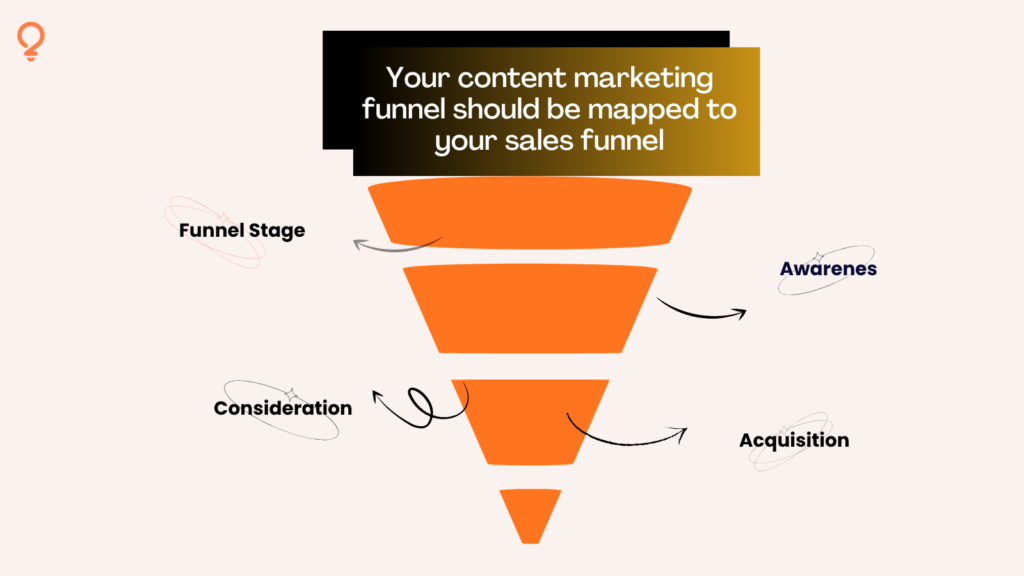
An SEO sales funnel is a strategic framework that uses organic search to guide potential customers through every stage of the buyer’s journey — from first awareness to final purchase. It combines SEO techniques with intentional content and conversion paths so that traffic doesn’t just land on your site and bounce. Instead, it moves forward.
Think of it as a bridge between SEO and sales. Traditional SEO stops at getting people to your site. An SEO sales funnel keeps working after that click. It nurtures visitors with the right content at the right time, builds trust, answers objections, and gently leads them toward buying.
The biggest difference from a general website content strategy is intent mapping. Every piece of content is deliberately created for a specific stage of the funnel. A blog post that ranks for “what is project management software” (top of funnel) won’t try to close the sale. Instead, it educates and links to middle-of-funnel comparison guides that eventually lead to bottom-of-funnel demo requests.
SEO Sales Funnel vs. Traditional Sales Funnel
Traditional sales funnels usually start with paid ads, cold emails, or outbound calls. They push people through stages quickly, often with heavy sales pressure.
An SEO sales funnel is different in three key ways:
– It begins with people actively searching (pull marketing instead of push)
– It relies on helpful, non-salesy content rather than aggressive pitches
– It builds long-term trust and authority before asking for the sale
Traditional funnels can feel transactional. SEO sales funnels feel helpful. That’s why conversion rates from organic traffic through a well-built funnel are often 2–5x higher than generic blog traffic.
Why the SEO Sales Funnel Matters for Businesses
Businesses that ignore the funnel waste massive amounts of organic traffic. They rank 1 for a keyword, get thousands of visitors, and then wonder why nobody buys.
A proper SEO sales funnel fixes that by:
– Delivering higher-quality targeted traffic that already wants what you sell
– Increasing time on site and engagement signals that Google loves
– Improving conversion rates from organic visitors (often from 1–2% to 8–15%)
– Creating a predictable, scalable customer acquisition system
– Lowering overall marketing costs because organic traffic compounds over time
I’ve watched small businesses go from relying on expensive Google Ads to generating 60–70% of their revenue from organic search once they mapped their content to a real funnel. The results don’t happen overnight, but when they arrive, they’re remarkably stable.
SEO Sales Funnel Stages Explained
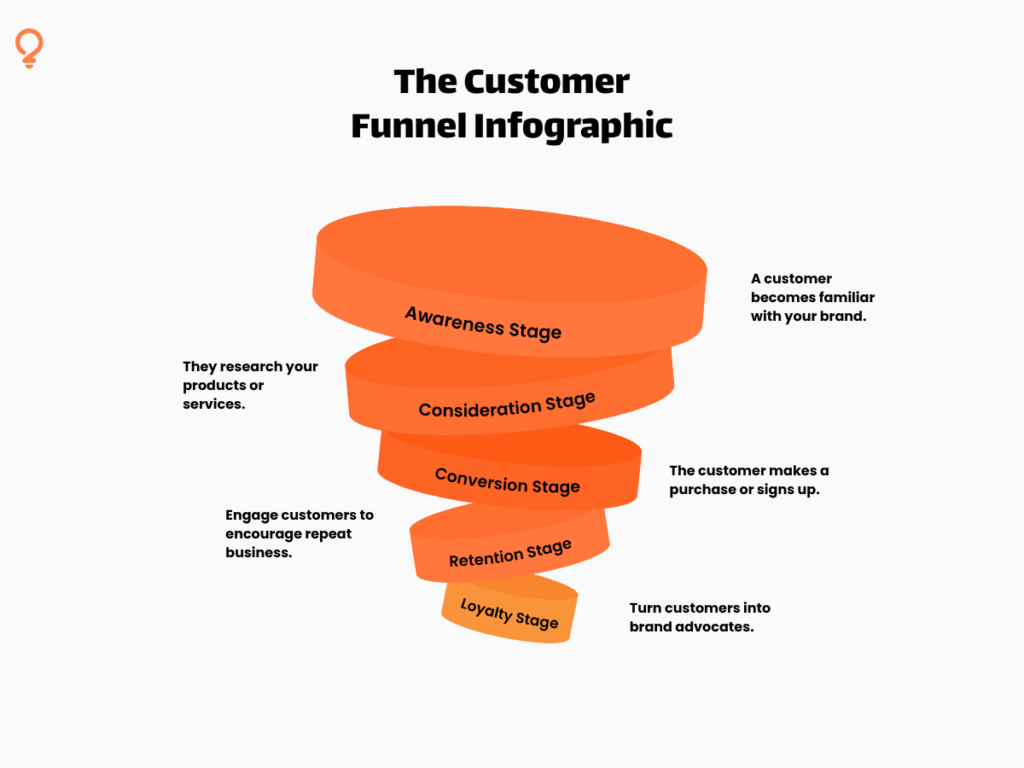
Every effective SEO sales funnel has three main stages. Let’s break them down with real examples.
TOFU (Top of Funnel – Awareness)
This is where people are just realizing they have a problem. They’re searching broadly, in educational terms.
Content types that work here:
– Ultimate guides and how-to articles
– “What is…” explainers
– Industry trend reports
– Problem-awareness videos or infographics
Keyword examples: “what is email marketing,” “signs your website needs redesign,” “how to choose CRM software.”
Goal: Educate, build brand awareness, and capture emails or encourage further reading through strong internal links.
MOFU (Middle of Funnel – Consideration)
Visitors now understand their problem and are comparing solutions. This is where trust is built.
Content types that work here:
– Comparison articles (“Best 7 CRMs for small businesses 2026”)
– Case studies and customer stories
– In-depth tutorials and checklists
– Webinars and lead magnets
Keyword examples: “HubSpot vs Salesforce,” “best project management tools for teams,” “how much does SEO cost.”
Goal: Position your brand as the smart, trustworthy choice and move people toward a decision.
BOFU (Bottom of Funnel – Decision)
This is the conversion stage. People are ready to buy and are looking for final reassurance.
Content types that work here:
– Product comparison pages with clear winner sections
– Case studies with real ROI numbers
– Free trials, demos, or consultation landing pages
– Pricing pages with strong social proof
– “Before and after” stories
Keyword examples: “Book a demo,” “get started with [your product],” “SEO services pricing.”
Goal: Remove final objections and make it easy to say yes.
How to Build an Effective SEO Sales Funnel

Building one isn’t complicated, but it does require intention. Follow these steps:
1. Map keywords to every stage
Use tools like Ahrefs or SEMrush to find terms for awareness, consideration, and decision. Create a spreadsheet with columns for stage, keyword, search volume, and content idea.
2. Plan your content calendar
Aim for a mix: 60% TOFU, 30% MOFU, 10% BOFU in the beginning. Over time, balance it as your audience moves down the funnel.
3. Design smart internal linking
Every TOFU article should link to 2–3 MOFU pieces. MOFU pages should link to BOFU offers. This creates natural progression paths.
4. Add stage-specific CTAs
TOFU: “Download our free checklist.”
MOFU: “Watch the 12-minute comparison video.”
BOFU: “Book your personalized demo.”
5. Set up proper tracking
Use Google Analytics 4 events and conversion tracking so you can see exactly where people drop off.
SEO Sales Funnel Optimization Tips
Once the basic structure is in place, optimize for better results:
– Audit content for search intent every quarter
– A/B test headlines, CTAs, and landing page layouts
– Add exit-intent popups or smart chat on BOFU pages
– Use heatmaps to see where people stop scrolling
– Refresh old TOFU content to keep it ranking
Small tweaks at each stage can dramatically improve overall conversion rates.
Common Mistakes to Avoid
– Creating only top-of-funnel blog posts and wondering why nothing converts
– Ignoring buyer intent and writing generic content
– Poor internal linking that leaves visitors stranded
– Focusing on vanity metrics (traffic) instead of funnel progression
– Never updating BOFU pages with fresh testimonials or offers
Fix these, and your funnel will start working much harder for you.
SEO Sales Funnel Examples
A SaaS company I worked with mapped 40 keywords across all three stages. Their TOFU guide on “project management mistakes” now ranks 1 and funnels readers into an MOFU comparison article that leads to demo bookings. Result: organic leads increased 340% in 11 months.
An e-commerce brand created a BOFU landing page comparing their running shoes against three competitors. It ranks for multiple “best [product] 2026” terms and converts at 18%.
These aren’t lucky cases — they’re the direct result of intentional funnel thinking.
FAQs
What is an SEO sales funnel?
An SEO sales funnel is a strategic system that uses organic search content to guide visitors through the entire buyer journey — from first awareness to purchase. Instead of treating SEO as just traffic generation, it connects every piece of content to a specific stage of the customer’s decision-making process. The goal is to turn cold searchers into warm leads and loyal customers without relying on paid ads.
How does an SEO sales funnel work?
It works by matching content to where people are in their buying journey. Top-of-funnel content attracts people searching for solutions. Middle-of-funnel content nurtures them with comparisons and proof. Bottom-of-funnel content removes final objections and makes buying easy. Internal links and smart CTAs move people naturally from one stage to the next, while analytics show exactly where improvements are needed.
What are the stages of an SEO sales funnel?
The three main stages are TOFU (awareness), MOFU (consideration), and BOFU (decision). TOFU educates and attracts. MOFU builds trust and compares options. BOFU focuses on conversion with offers, demos, and strong proof. Each stage requires different content types and keywords, and the best funnels connect them seamlessly with internal linking.
How do you optimize an SEO sales funnel?
Start by mapping your existing content to the three stages. Identify gaps and create missing pieces. Improve internal linking so visitors can easily move forward. Add clear CTAs at each stage. Test landing pages and track drop-off points with Google Analytics. Refresh old content regularly and make sure every page answers the user’s exact intent at that moment.
What metrics should you track in an SEO sales funnel?
Track organic sessions, pages per session, and bounce rate at each stage. Monitor progression rates (how many TOFU visitors reach MOFU content). Most importantly, track conversions and revenue attributed to organic traffic. Tools like Google Analytics 4 with enhanced e-commerce or custom events make this much easier.
Does an SEO funnel improve conversions?
Yes — often dramatically. Generic blog traffic might convert at 1–2%, but funnel-optimized organic traffic frequently reaches 8–15% or higher because every piece of content moves the visitor one step closer to buying. The intentional structure removes friction and builds trust along the way.
How long does it take to see results from an SEO funnel?
Most businesses see initial traffic improvements in 3–6 months and meaningful conversion lifts between 6–12 months. Full momentum usually builds after 12–18 months as authority grows. The beauty is that once the system is running, results become more stable and cost-effective than paid campaigns.
How is keyword intent mapped to funnel stages?
TOFU keywords are broad and informational (“what is…” or “how to…”). MOFU keywords are comparative (“best X vs Y” or “X alternatives”). BOFU keywords are transactional (“buy X,” “pricing,” or brand + “demo”). Mapping them correctly ensures you’re speaking to people at the right moment in their journey.
What content types work best at each stage?
TOFU: long-form guides, infographics, videos. MOFU: comparison tables, case studies, checklists, webinars. BOFU: product pages with reviews, free trials, personalized calculators, and strong social proof. The key is matching the format to what people need at that exact decision point.
Can small businesses use an SEO sales funnel?
Absolutely. Small businesses often have an advantage because they can be more personal and niche-focused. Start with 5–10 pieces of content mapped to the three stages. Focus on local or long-tail keywords where competition is lower. Many small brands outperform bigger competitors simply by being more helpful at every stage of the funnel.
How do you measure the ROI of an SEO funnel?
Calculate the lifetime value of customers who came through organic search versus other channels. Subtract your total SEO investment (time, tools, content creation). Track assisted conversions in Google Analytics to see the full impact. Most well-built funnels show positive ROI within 9–12 months and continue improving for years.
What tools help track an SEO funnel?
Google Analytics 4 for behavior and conversion tracking, Google Search Console for impression and click data, Ahrefs or SEMrush for keyword and competitor insights, Hotjar or Microsoft Clarity for heatmaps and session recordings, and a simple spreadsheet or Notion dashboard to map content to stages.
How is an SEO funnel different from a content funnel?
A content funnel is broader and can include social media, email, and other channels. An SEO sales funnel is specifically tied to organic search traffic and search intent. It’s more focused on ranking and technical SEO elements while still using content as the main driver.
Should blog posts be part of an SEO sales funnel?
Yes — but not all blog posts. Only the ones intentionally written for a specific funnel stage. Generic blog content often sits at the top of the funnel and never connects to conversion paths. The best approach is to audit your existing blog and add strategic internal links and CTAs that guide readers deeper into the funnel.
How to audit my existing SEO sales funnel?
Export your top-ranking pages from Google Search Console. Categorize each one as TOFU, MOFU, or BOFU. Check internal linking between stages. Analyze bounce rates and time on page for each group. Identify gaps where you have traffic but no clear next step. Fix the weakest links first — they usually give the biggest quick wins.
The SEO sales funnel is one of the most powerful systems any business can build in 2026. It turns organic traffic from a cost center into a predictable revenue engine. Start small, stay consistent, and focus on helping people at every stage. The results will compound faster than you expect.
Ready to build or optimize your own SEO sales funnel? The Brimcove team has helped dozens of businesses create funnels that deliver steady, high-converting organic traffic. Book your free funnel audit today, and let’s map out a custom strategy that fits your business perfectly.
